Renter-Friendly Upgrades That Leave No Trace
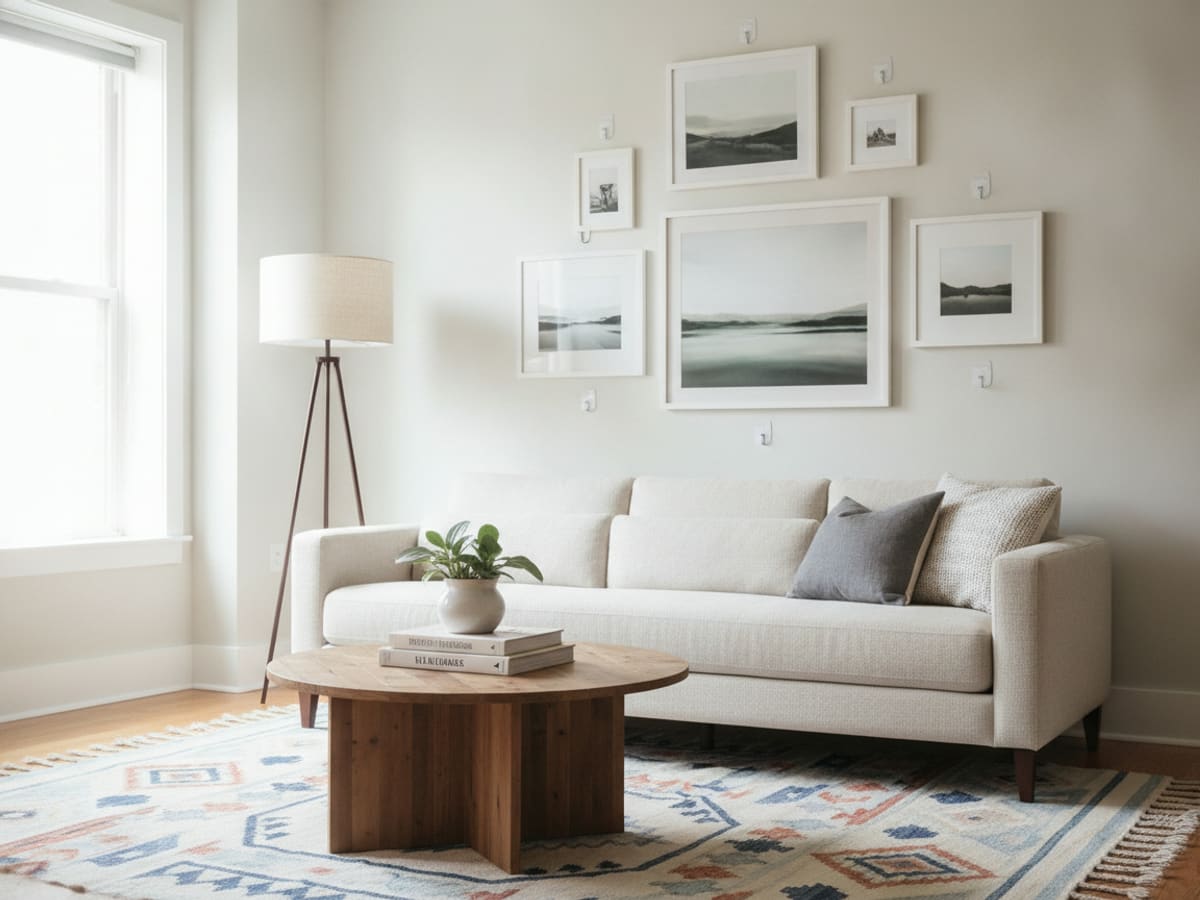
You don't need to own a place to make it feel better. Here are practical changes that come out cleanly when it's time to move.
Renting means living with someone else's paint, fixtures, and floors. It doesn't mean living with a room that feels like a waiting area. Plenty of small changes make a space more comfortable, and almost all of them can be undone in minutes.
The rule of thumb is simple: if you can reverse it completely, with no holes, residue, or leftover marks, it's probably safe. If you can't, ask first.
Check your lease first
Before you buy anything, read the section of your lease about alterations, decorating, and nails or screws. Some leases allow small picture hooks. Others ban anything attached to the walls. Some are surprisingly relaxed about paint, as long as you restore the original color.
If something is unclear, email your landlord or property manager and ask. A written yes is worth far more than a verbal one, and it gives you something to point to at move-out. Keep it simple: describe what you'd like to do, how it will be removed, and ask for a reply.
This article offers general ideas, not legal guidance. Your lease and your landlord's policies are what actually apply to you.
Lighting that changes a room
Rental lighting is often a single harsh ceiling fixture. Fixing that is one of the most noticeable upgrades you can make, and none of it requires touching the wiring.
- Floor lamps and table lamps add warm, low light at eye level, which feels calmer than overhead glare.
- Swapping bulbs for a warmer color temperature softens a whole room. Keep the original bulbs in a labeled bag so you can put them back.
- Plug-in wall lamps with a cord cover give you the look of a sconce without hardwiring. Hang them from a hook you've cleared with your landlord, or rest them on a shelf.
- Battery-powered or rechargeable puck lights work well inside closets and under cabinets, held in place with removable adhesive.
Try lighting a room from two or three different heights instead of relying on one source. It tends to make a space feel larger and more finished.
Window coverings and soft layers
Bare windows and builder-grade blinds can make a rental feel temporary. Soft layers fix that without changing anything permanent.
Curtains hung on a tension rod inside the window frame require no drilling. If you want to hang them higher or wider, ask whether small hooks are allowed. Hanging curtains close to the ceiling makes it look taller, and letting them extend past the frame makes the window look bigger.
Rugs do a lot of work in a rental. They cover worn or dated flooring, soften sound, and define areas in an open layout. Use a non-slip pad underneath, and check that it's safe for your floor type, since some rubbery pads can discolor certain finishes over time.
Throw blankets, cushions, and fabric panels add texture. A large piece of fabric can even be draped over a headboard area or a bare wall as a temporary backdrop.
Storage that doesn't need drilling
Rentals often come up short on storage, but freestanding and hanging solutions can fill the gap.
- Tall bookcases and open shelving units sit on the floor and can be secured with furniture straps if your landlord allows small anchors. If not, choose lower, stable pieces.
- Over-the-door hooks and organizers hold coats, towels, and cleaning supplies.
- Tension rods can create extra hanging space under a sink or inside a closet.
- Rolling carts fit into narrow gaps in kitchens and bathrooms and move wherever you need them.
- Removable adhesive hooks suit light items such as keys and dish towels. Always check the weight limit on the packaging.
Heavy furniture can tip, so if you have kids or pets, prioritize stability over style. Keep taller pieces away from doorways and walkways.
Small comfort fixes for doors and windows
Some of the most useful changes are the ones nobody notices at first.
Draft stoppers at the base of a door are easy to place and easy to remove. Removable weatherstripping or window insulation film can make a room feel more comfortable in colder months, though you should confirm that the adhesive is rated for your window frame material.
Felt pads on furniture legs protect floors. Soft-close bumpers on cabinet doors reduce slamming. A simple door wedge or stopper keeps a door from banging into the wall.
If a cabinet knob or showerhead feels dated, you can swap it, but keep every original part. Store them together in a labeled bag so everything goes back exactly as it was.
Keeping a list for move-out
A little record-keeping now saves a lot of back-and-forth later.
- Take clear photos of every room when you move in, including any scuffs, scratches, or worn spots that already exist.
- Save any written approvals from your landlord in a folder on your phone or computer.
- Keep a simple list of everything you changed, such as swapped bulbs, removed fixtures, and anything you put up.
- Store original parts, like bulbs, hardware, and curtain rods, in one labeled box.
- Before you move out, reverse each change and photograph the finished room.
Walking through the list a week before you leave gives you time to fix anything you missed. It also makes for a calmer move-out day, because you already know the space is back the way you found it.
Small, reversible changes won't turn a rental into a custom home, but